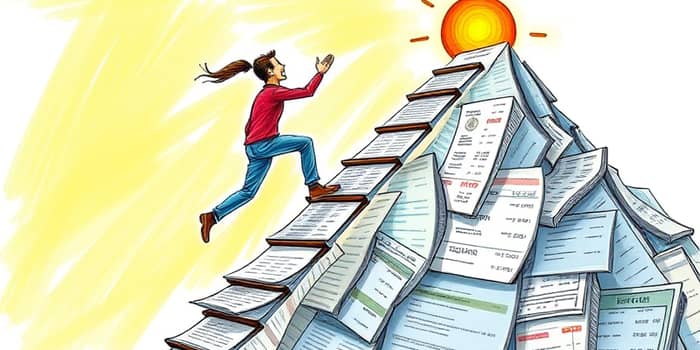
Understanding Bankruptcy and Its Impact
Bankruptcy is often viewed as a final resort, a legal process designed to provide relief when debts become unmanageable. However, declaring bankruptcy carries significant consequences: a severe credit score hit, potential loss of assets, and an emotional toll that can linger for years.
Chapter 7 involves liquidation of non-exempt property, while Chapters 13 and 11 offer a legal path to discharge qualifying debts through court-approved repayment. Before choosing this route, individuals must weigh the immediate benefits against long-term repercussions.
Proactive Debt Management Strategies
By exploring alternatives early, you can avoid severe credit damage and emotional distress and preserve your financial future. Acting before delinquency turns into crisis empowers you to negotiate, consolidate, or restructure debt on more favorable terms.
Review each option's merits carefully. Factors like income stability, debt type, and personal discipline will guide your choice of consolidation, settlement, or guided counseling.
Payoff Methods: Snowball vs. Avalanche
Two popular repayment approaches help maintain momentum and minimize interest:
- Snowball Method: Tackle the smallest balance first for quick wins and motivation.
- Avalanche Method: Focus on the highest interest rate to reduce total cost.
Both methods require consistent payments and discipline. Choose the one that aligns with your personality'quick rewards or maximum savings'and stay committed to your plan.
Avoiding High-Cost Loans
While short-term solutions like payday loans may seem tempting, they often backfire. Astronomical interest rates over four hundred percent can trap borrowers in a downward spiral, making recovery even harder.
- Credit union loans with fairer terms
- Support from family or close friends
- Local nonprofit or government assistance programs
Explore safer alternatives before turning to predatory lenders. A small delay in relief is worth avoiding lifelong debt burdens.
Building Sustainable Financial Habits
Long-term stability requires more than one-off fixes. Establish a monthly budget that allocates funds for essentials, debt repayment, and savings. Build an emergency savings fund for future crises to weather unexpected storms without resorting to new credit.
Avoid impulse spending by tracking expenses, setting realistic limits, and reviewing your plan regularly. Over time, disciplined habits become second nature, shielding you from future debt traps.
When Bankruptcy May Become Necessary
Even with proactive efforts, some situations warrant considering bankruptcy. Warning signs include persistent inability to meet basic living costs, lawsuits threatening wage garnishment, or imminent foreclosure and repossession.
Chapter 7 offers swift discharge through asset liquidation, while Chapter 13 and 11 provide structured repayment plans and lower rates to rehabilitate your finances. Consult a qualified bankruptcy attorney to understand exemptions, state laws, and timing nuances that impact your eligibility.
Common Mistakes to Avoid
- Using retirement funds needlessly before filing
- Racking up new debts or luxury purchases pre-bankruptcy
- Transferring assets below market value
- Ignoring impending tax obligations or inheritances
Steer clear of actions that could be deemed fraudulent or jeopardize protected assets. Transparency and responsible planning ensure a smoother process if you ultimately file.
Seeking Professional Assistance
Certified credit counselors offer personalized analysis, helping you craft budgets, negotiate with lenders, and enroll in debt management plans. Their expertise often translates into lower interest rates and payment relief you couldn't achieve alone.
For legal complexities, a bankruptcy attorney is indispensable. From navigating court procedures to safeguarding exemptions, professional guidance ensures you make informed decisions and protect your future.
No matter how daunting debt may seem today, practical strategies and steadfast resolve can chart a path to financial freedom. Begin by assessing your situation honestly, choosing a tailored approach, and seeking support when needed. With every payment and positive habit, you move closer to lasting stability'bankruptcy doesn't have to be your story's ending.
References
- https://debthelper.com/avoid-bankruptcy-debt-solutions/
- https://www.uscourts.gov/court-programs/bankruptcy/bankruptcy-basics/chapter-7-bankruptcy-basics
- https://www.investopedia.com/articles/pf/08/avoid-bankruptcy.asp
- https://www.nolo.com/legal-encyclopedia/what-not-do-before-bankruptcy.html
- https://www.bankruptcy-law-seattle.com/Articles/2025-tips-for-managing-debt-to-avoid-bankruptcy-your-guide-to-financial-freedom/
- https://www.nolo.com/legal-encyclopedia/chapter-7-13-bankruptcy-limits-benefits-30025.html
- https://afmorganlaw.com/alternatives-to-bankruptcy/
- https://www.uscourts.gov/court-programs/bankruptcy/bankruptcy-basics/chapter-11-bankruptcy-basics